
Last updated: February 2026
This article contains affiliate links. If you buy through our links, we may earn a small commission at no extra cost to you. See our affiliate disclosure.
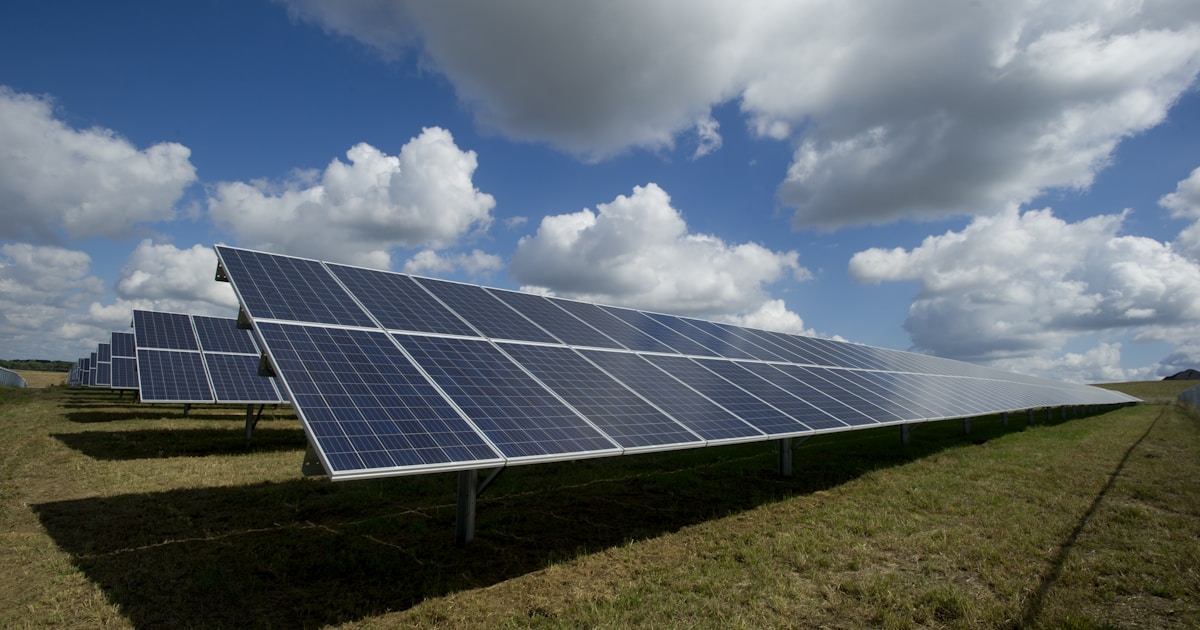
Solar panels cost £6,000–£9,000 for a typical 4kW system installed in the UK in 2026. A 4kW system generates around 3,500 kWh per year, saving roughly £840 on electricity bills plus £200–£400 from Smart Export Guarantee payments. The payback period is 6–8 years, with an estimated 25-year profit of £18,000–£22,000.
The UK solar panel market has transformed dramatically over the past few years. What once felt liBest Smart Home Systems for UK Homes 2026EV Home Charger Installation Cost UK 2026: Full Price Guideke a luxury investment reserved for eco-warriors is now a practical financial decision for ordinary homeowners. With electricity prices still inflated and renewable energy incentives finally getting serious, installing solar panels in 2026 actually makes financial sense—not just environmental sense.
The real question isn’t whether you should go solar. It’s which panels to choose and whether you can afford the upfront cost. This guide cuts through the marketing fluff and gives you the plain facts. If you’re also automating outdoor upkeep, our robot lawn mowers for hills and slopes guide is worth comparing.
How Much Do Solar Panels Cost in the UK?
Let’s start with the number that matters: your wallet.
A typical 4kW system (around 10-12 panels) costs between £6,000 and £9,000 installed in 2026. That’s down roughly 70% from 2010, which sounds like great news until you realise your neighbour’s system cost £12,000 five years ago.
The range exists because installers vary wildly in quality. A cheap system might be fine; a cheap installer almost certainly isn’t.
Breaking down the costs:
- Solar panels themselves: 30-40% of total cost
- Inverter (converts DC to AC): 15-20%
- Installation labour: 20-30%
- Electrical work and scaffolding: 10-20%
- Monitoring equipment: 5-10%
If you need a new roof before installing panels, add £3,000-£8,000 to that figure. This is non-negotiable—don’t install panels on a roof with 5 years of life left.
The Real Return on Investment
This is where most guides get vague. Let’s be specific.
A 4kW system in the Midlands generates roughly 3,500kWh per year. With electricity costing around 24p per kWh (2026 prices), you’re saving roughly £840 annually from the electricity you don’t buy. That’s assuming you use most of what you generate; if you export excess power, you’ll earn money too.
The Smart Export Guarantee (SEG) is crucial here. This replaced the old Feed-in Tariff in 2020. Participating suppliers pay you 10-15p per kWh for excess power you export to the grid. A 4kW system typically exports 20-30% of generation, so expect £200-£400 extra annually from SEG payments.
Combined annual benefit: £1,040-£1,240 (savings + SEG)
Payback period: 6-8 years with current prices
25-year lifetime value: £18,000-£22,000 profit (after accounting for inverter replacement around year 12)
These aren’t groundbreaking returns, but they’re reliable, tax-free, and increase each year as electricity prices rise. Compare that to your savings account earning 4-5% annually, and solar becomes interesting.
Types of Solar Panels: Monocrystalline vs Polycrystalline
Almost all new systems in the UK use monocrystalline panels. They’re more efficient (20-22% efficiency vs 16-18%) and take up less roof space. Polycrystalline panels are cheaper but rarer now because the efficiency gap isn’t worth the space penalty.
The brands that actually matter:
UK installers primarily stock panels from Tier 1 manufacturers (those that commit to long-term supply). Top performers include Canadian Solar, Sunpower, LG, and JinkoSolar. No—you’ve probably not heard of most of these. That’s fine. They’re reliable, heavily tested, and backed by 25-year warranties.
Avoid tiny no-name brands, even if they’re 15% cheaper. Solar panels degrade slowly over 25 years, and you need a manufacturer still in business in 2050.
Key Factors When Choosing Your System
1. Roof Space and Orientation
South-facing roofs are ideal. East/west-facing roofs work but generate 15-25% less. North-facing roofs are basically pointless unless your house is in the Scottish Highlands.
Check for shade. A single tree shadow across part of your panels can reduce output by 20%+. Modern micro-inverters help mitigate this, but prevention is better.
You need 10-15 square metres for a typical 4kW system.
2. Inverter Choice: String Inverters vs Micro-inverters
String inverters (traditional): Connect all panels to one inverter. Cheaper (£1,200-£1,800) and reliable. If one panel is shaded, all panels’ output drops.
Micro-inverters: One tiny inverter per panel (£3,000-£4,500 total). Shading doesn’t affect other panels. Marginally better efficiency. Some people love them; some think they’re overcomplicated.
For most UK roofs with decent sun exposure, a good string inverter is fine. Micro-inverters make sense if you have partial shading or complex roof angles.
3. Battery Storage: Worth It?
A 5kWh battery costs £4,500-£6,500 installed. If you work from home and use daytime solar production, it makes sense. If you’re out all day and your solar output goes to the grid, a battery is a luxury purchase.
Do NOT get a battery just because a salesman says it’s good for the environment. The environmental benefit is negligible. Calculate your own payback period first. Battery prices are falling fast—if it’s not profitable now, wait 18 months.
Installation: Who to Trust
Most solar installations are fine. Some are genuinely dangerous.
Red flags:
- Pressure to sign on the day they visit
- Refusing to provide multiple quotes in writing
- No mention of MCS certification
- Unrealistic payback claims (“5 years guaranteed!”)
- Pressuring you toward battery storage immediately
Get three quotes from installers certified by the Microgeneration Certification Scheme (MCS). This scheme guarantees your installation meets building regulations and you can claim government incentives.
Ask installers about these specifics:
- Performance guarantee (most offer 90% of rated output)
- Monitoring system (should be included)
- Maintenance after install (generally minimal, but clarify)
- Warranty on labour (5 years minimum; 10 is better)
Government Grants and Incentives (2026)
The Boiler Upgrade Scheme doesn’t cover solar, which is mental. The £5,000 smart energy grant for combining solar with storage expires in 2026.
What actually helps in 2026:
- 0% VAT on solar installations (yes, it’s still here)
- SEG payments from your supplier
- Potential future funding through Great British Insulation Scheme for homes combined with other improvements
For better returns, pair solar with other energy efficiency measures. A solar system on a badly insulated house is less effective than on a well-insulated one. See our guide on how much a smart thermostat can save you for the full energy picture.
When NOT to Install Solar Panels
Be honest about your situation:
- You’re renting: You need landlord permission, which many refuse. Portable systems exist but are expensive per watt.
- Your roof is south-facing but heavily shaded: Performance will disappoint.
- You plan to move in 5 years: The system won’t pay for itself in that timeframe.
- Your electricity bill is already tiny: If you use 2,000kWh/year, solar’s savings are proportionally smaller.
- You can’t afford £7,000 upfront: Instalments exist (around 8% APR, which isn’t great). Consider whether that 8% return would beat your alternatives.
Maintenance: It’s Boring Because It Works
Solar panels require minimal maintenance. They last 25-30 years and degrade roughly 0.5% annually. That’s it.
You’ll want:
- Annual visual inspection for cracks/delamination (do this yourself)
- Occasional cleaning if you’re in a dusty area (autumn leaves don’t matter much)
- Inverter replacement around year 12-15 (£1,200-£2,000)
Most systems include monitoring via app so you can spot problems. If generation drops, it’s either actual weather or something physical like pigeon droppings or fallen leaves. Unlike gas boilers, they won’t suddenly fail.
The Verdict for UK Homeowners in 2026
Solar panels are a solid investment if you own your home, have a south-facing roof with decent sun exposure, and plan to stay put for 7+ years. Returns aren’t spectacular—around 8-10% annually—but they’re reliable and beat inflation.
The technology is mature. You won’t gain by waiting for “better” panels in 2027; they’ll likely cost the same for 2-3% better efficiency. Battery storage is improving fast—if you want batteries, waiting 12 months makes sense.
The main reason to install now isn’t FOMO. It’s that electricity prices aren’t going backwards, and neither will solar’s ROI.
Most importantly: Get three quotes, check MCS certification, and ignore anyone promising miracles. You’re buying a boring 25-year asset, not a revolutionary gadget. Boring is good.
💡 Calculate your savings: Use our free Smart Home Savings Calculator to see how much you could save.
Related Reading
- How much can a smart thermostat really save you?
- 10 easy ways to cut your energy bills this winter
- Smart meters explained: pros, cons, and do you need one?
- Best EV home chargers UK 2026: Complete buying guide
Where to Buy
🛒 Huawei Solar Inverter on Amazon
🛒 SolarEdge Inverter on Amazon
As an Amazon Associate, we earn from qualifying purchases.
Frequently Asked Questions
A typical 4kW solar panel system for a UK home costs between £5,000–£8,000 including installation. Prices have dropped significantly over the past 5 years. With the Smart Export Guarantee, most systems pay for themselves within 8–12 years.
Yes. Solar panels work with daylight, not direct sunshine. Even on cloudy days, panels generate electricity. A well-positioned 4kW system in southern England generates around 3,800–4,200 kWh per year — enough to cover most of an average household’s electricity needs.
Most solar panels come with a 25–30 year performance warranty and typically last 30–40 years. Inverters usually need replacing after 10–15 years (cost around £500–£1,000). Panels require virtually no maintenance beyond occasional cleaning.
Yes, through the Smart Export Guarantee (SEG). Energy suppliers with 150,000+ customers must offer you a rate for exported electricity. Rates vary from 3–15p per kWh depending on the supplier. Octopus Energy typically offers the best SEG rates.
Usually no. Solar panels on domestic roofs fall under permitted development rights in England and Wales, provided they don’t protrude more than 200mm from the roof surface and aren’t on a listed building or in a conservation area. Scotland and Northern Ireland have similar rules.
You might also want to check our robot lawn mower guide.
Finding a certified installer is crucial. Browse vetted tradespeople in your area on NearbyTraders.
## Related Articles
- Smart Home for Renters – No-drill solutions
- Zigbee vs Matter – Choose the right protocol
- Smart Blinds UK – Automated window treatments
Smart Home UK Team — A team of UK smart home enthusiasts who test, review and compare products to help you make better buying decisions. Independent. Honest. No sponsored placements.